
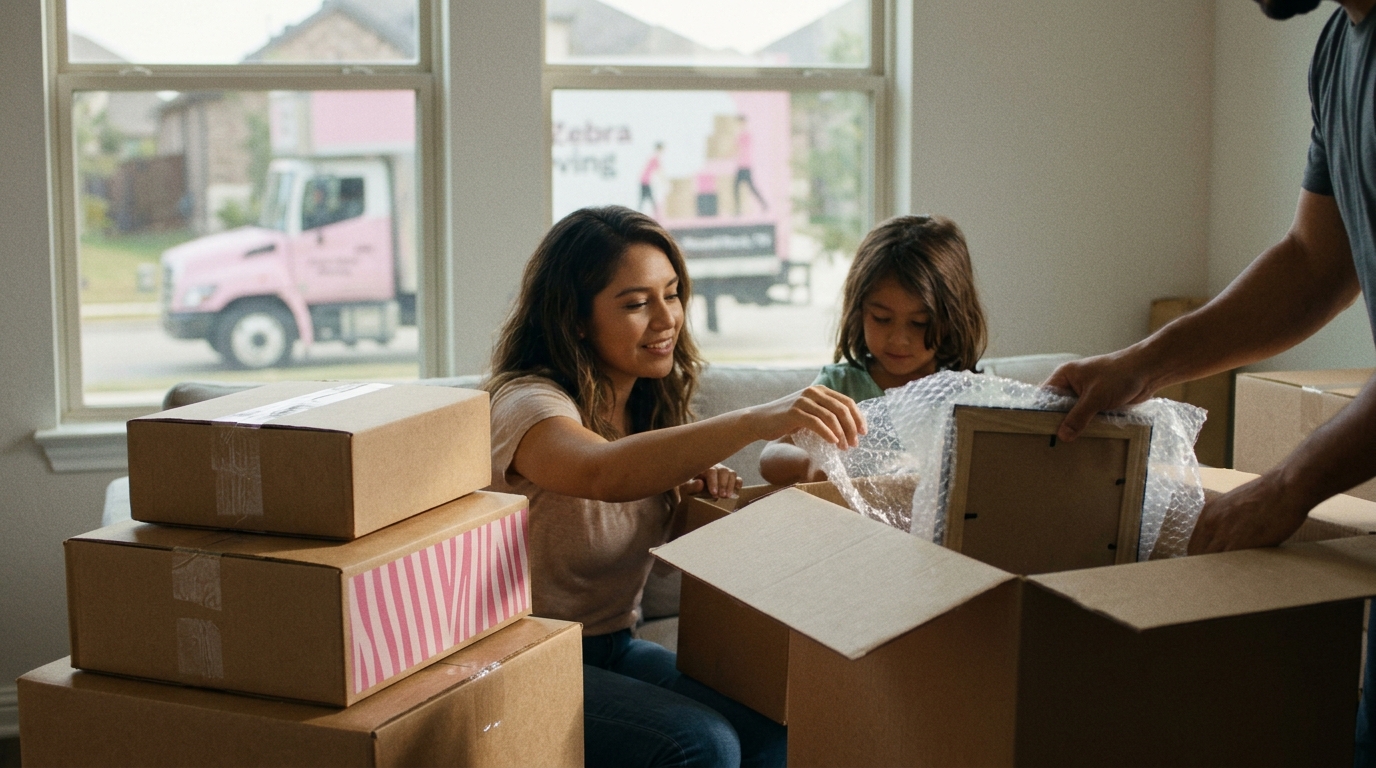
7 Best Packing Techniques and Services to Protect Belongings During a Local Move
Protecting your belongings during a local move requires a combination of strategic preparation and professional execution. Pink Zebra Moving of Round Rock, TX specializes in packing and moving household goods locally and interstate, ensuring your items arrive safely. This guide outlines the most effective techniques and services to minimize damage and stress.
1. The Right Box Selection
Match the box size and strength to the contents. Using a large box for heavy items like books or tools can cause the bottom to give way during transport. Instead, use small to medium boxes for heavy items and reserve large boxes for lightweight materials like pillows or linens. This approach prevents structural failure and makes it easier for movers to handle the load safely.
2. Strategic Weight Distribution
Keep heavy items at the bottom and light items on top. This basic physics principle ensures that the weight of the box is centered and stable. When packing, place the heaviest objects at the base of the box and fill the remaining space with lighter items. This distribution reduces the risk of the box tipping over or shifting during the move.
3. Professional Packing Services
Hire experts to handle fragile and high-value items. Professional packing services utilize specialized materials and techniques to protect delicate items like glassware, electronics, and artwork. Trained packers know how to cushion, wrap, and secure items to prevent breakage. This service saves you time and ensures that your most valuable possessions are handled with the utmost care.
4. Furniture Disassembly and Protection
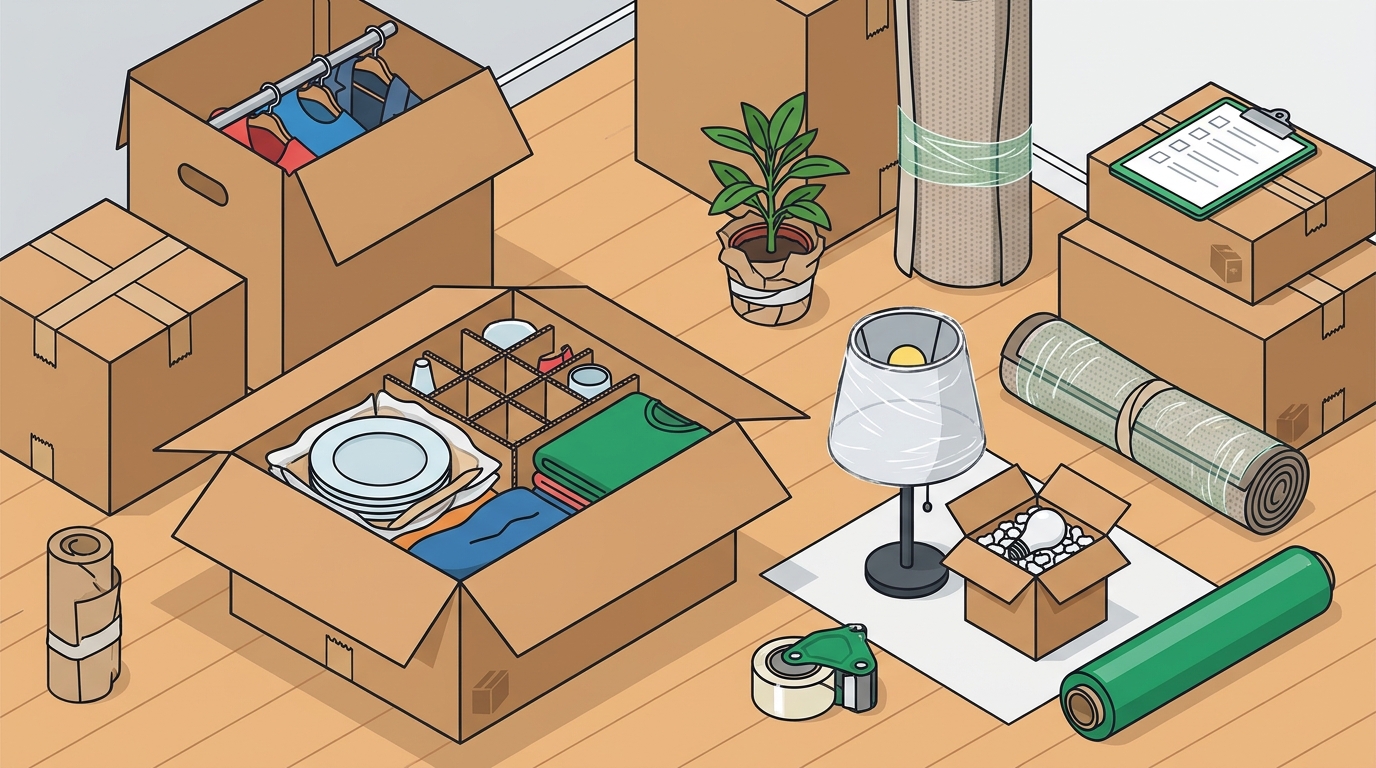
Disassemble furniture to fit through doorways and protect corners. Large pieces like beds, dressers, and sectionals should be taken apart to prevent damage to both the furniture and your home. Use furniture pads, moving blankets, and stretch wrap to protect surfaces from scratches and dents. Proper disassembly also allows for more efficient loading and unloading of the moving truck.
5. Labeling and Inventory Management
Label every box with its contents and destination room. Clear labeling helps movers place boxes in the correct rooms, saving you time during unpacking. Create a detailed inventory list to track all your items and verify that everything arrives safely. This system also makes it easier to identify any missing or damaged items immediately after the move.
6. Climate and Environmental Control
Protect sensitive items from temperature and humidity changes. Items like wood furniture, electronics, and artwork can be damaged by extreme temperatures or humidity. Use climate-controlled storage or ensure that the moving truck is properly ventilated. This step is especially important for long-distance moves or moves during extreme weather conditions.
7. Final Walkthrough and Verification
Conduct a final check of all rooms before the movers arrive. Walk through your home to ensure that no items are left behind and that all boxes are properly sealed and labeled. This final verification helps prevent last-minute stress and ensures that the move proceeds smoothly. It also gives you a chance to address any concerns with the moving team before they begin loading.
Choosing the Right Approach
Select the packing technique or service that best fits your budget, timeline, and the value of your belongings. For high-value or fragile items, professional packing services are often the best investment. For standard household goods, a combination of proper box selection and strategic weight distribution can be sufficient. Always prioritize the safety of your items over speed or cost savings.
Frequently Asked Questions
What is the best way to pack fragile items?
Use ample cushioning material like bubble wrap or packing paper to wrap each item individually. Place fragile items in the center of the box and fill any empty spaces with soft materials to prevent shifting. Label the box as fragile to alert movers to handle it with care.
How much does professional packing cost?
The cost of professional packing varies based on the size of your home and the number of items. It is best to request a quote from a moving company to get an accurate estimate. Professional packing is often worth the investment for high-value or fragile items.
Should I pack my own boxes or hire a service?
If you have time and the items are not fragile, you can pack your own boxes. However, for high-value or delicate items, hiring a professional packing service is recommended. This ensures that your items are packed correctly and protected during the move.
What materials are best for protecting furniture?
Use furniture pads, moving blankets, and stretch wrap to protect furniture from scratches and dents. For disassembled parts, use bubble wrap or packing paper to protect edges and corners. Secure all parts with zip ties or string to keep them together.
How do I label boxes for a local move?
Label each box with its contents and the room it belongs in. Use a consistent labeling system to make it easy for movers to place boxes in the correct rooms. Consider using color-coded labels for different rooms to speed up the unpacking process.